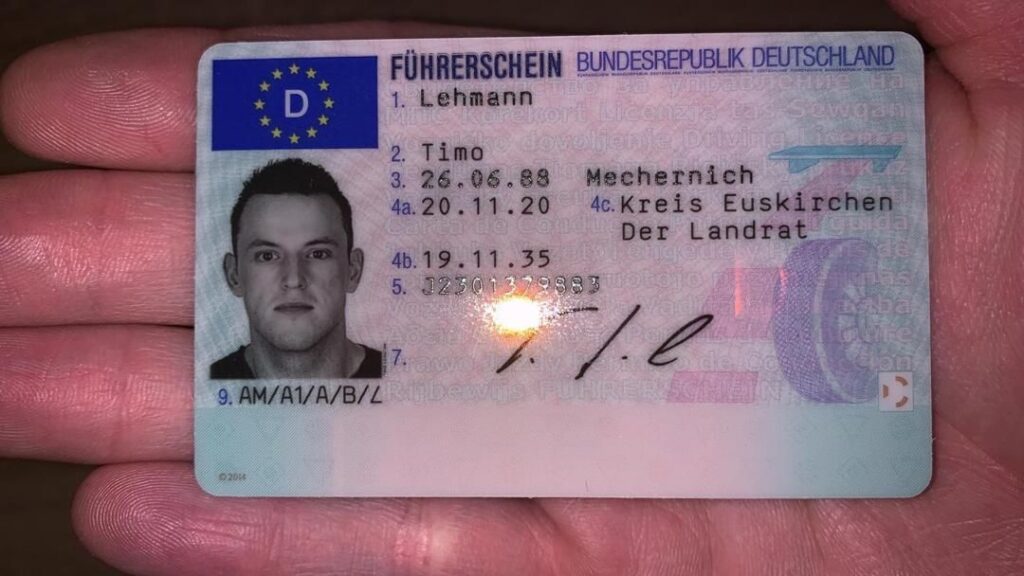
Understanding Trike Driver's License: A Comprehensive Guide
Recently, tricycles, or "trikes," have actually acquired tremendous popularity as a mode of transport, specifically in urban areas where traffic blockage is a common concern. With try this increasing variety of trike riders, it has ended up being paramount for authorities to impose regulations that make sure safety and compliance with traffic laws. This post offers a detailed introduction of what a trike chauffeur's license entails, who needs it, how to get one, and what policies govern trike operation.
What is a Trike Driver's License?
A trike motorist's license is a legal file that allows people to run tricycles as a way of transport. This license is required to manage using trikes, guaranteeing that motorists are knowledgeable about traffic laws, security measures, and functional protocols. Different countries and areas might have varying regulations regarding trike licensing, but the core purpose remains the same: to improve road safety and minimize mishaps.
Why is a Trike Driver's License Important?
- Security: A trike motorist's license guarantees that chauffeurs are knowledgeable about roadway signals, traffic laws, and security measures.
- Legal Compliance: Operating a trike without a license can cause fines, charges, or legal consequences.
- Insurance coverage Eligibility: Many insurer require motorists to have a valid license to insure their trikes.
- Responsibility: Licensing produces a sense of obligation among drivers, lowering negligent habits.
Who Needs a Trike Driver's License?
Generally, anyone who plans to run a tricycle on public roads should have a valid trike driver's license. This includes, but is not limited to:
- Private Trike Owners: Individuals who own and operate a trike for personal usage.
- Business Trike Drivers: Those who drive trikes for a living, such as taxi services or tour operators.
- Learners: Individuals undergoing training programs to find out how to safely run a trike.
Actions to Obtain a Trike Driver's License
The procedure for getting a trike driver's license generally involves several steps. While these may vary between jurisdictions, the following summary offers a basic method:
1. Eligibility Check
- Age Requirement: Most regions need motorists to be a minimum of 18 years old.
- Medical examination: A medical checkup might be required to verify the candidate's physical fitness to drive.
2. Documents Preparation
- Government-issued identification (e.g., passport, nationwide ID)
- Birth certificate
- Proof of residency
- Current passport-sized photos
3. Enroll in a Training Course
- Many regions require prospective drivers to complete an official training program that covers elements of trike operation, traffic laws, and defensive driving techniques.
4. Pass a Written Examination
- Applicants need to pass an evaluation covering roadway signs, signals, and guidelines of the road.
5. Pass a Driving Test
- A practical driving test is administered to examine the candidate's ability to securely operate a trike.
6. Payment of Fees
- Licensing costs differ depending upon the jurisdiction and might require to be paid upfront when submitting an application.
7. Get the License
- As soon as all tests and requirements are adequately finished, the applicant will receive their trike motorist's license.
Table 1: Licensing Requirements Comparison
| Specification | Personal Driver | Business Driver |
|---|---|---|
| Minimum Age | 18 years | 21 years |
| Medical examination | Needed | Compulsory |
| Training Course | Optional | Needed |
| Written Test | Yes | Yes |
| Driving Test | Yes | Yes |
| Charges | Differs | Higher |
Regulations Governing Trike Operation
When certified, trike chauffeurs should adhere to numerous regulations to ensure their safety and the safety of other roadway users. Secret regulations consist of:
- Helmet Requirement: Many areas mandate that both motorists and travelers wear helmets.
- Passenger Limit: Trikes may have constraints on the number of travelers, typically restricted to a couple of extra riders.
- No Alcohol Consumption: Strict charges request operating a trike under the influence of alcohol or drugs.
- Insurance Coverage: Drivers are frequently needed to protect third-party liability insurance coverage.
- Routine Vehicle Inspection: Trikes need to undergo routine evaluations to guarantee they satisfy security standards.
Leading Safety Tips for Trike Drivers
- Always use a helmet.
- Comply with traffic signals and indications.
- Prevent interruptions while driving.
- Preserve a safe range from other cars.
- Routinely check brakes, lights, and tires.
FAQs about Trike Driver's License
1. What is the age requirement for obtaining a trike chauffeur's license?
The minimum age is generally 18 years, but some regions may have different requirements.
2. Do I need an unique training course to get a trike motorist's license?
Yes, many jurisdictions require an official training course, particularly for industrial chauffeurs.
3. What documents do I require to provide for my application?
Frequently needed documents include a government ID, proof of residency, and a recent photo.
4. Can I drive a trike with a regular motorbike license?
In numerous locations, a routine motorcycle license may cover trike operation, but it is important to confirm local laws.
5. What are the penalties for driving a trike without a license?
Charges can consist of fines, neighborhood service, and, sometimes, taking the automobile.
Obtaining a trike driver's license is a crucial action for anybody looking to operate a tricycle legally and safely. By understanding the requirements, regulations, and responsibilities that feature this license, individuals can contribute to a safer road environment for everybody. In a period where tricycles are becoming progressively typical, responsible driving practices and compliance with licensing guidelines stay essential for promoting safety and performance on the roads.